
Integrity, quality, and service Standard-setting unit for hose pump industry
In the production of emulsions, coatings, adhesives, sauces and high-solid composite slurries, customers usually focus on the rotating speed, shear stages and processing capacity of emulsifying pumps, yet easily overlook a more fundamental question: Can materials entering the emulsifying pump be fed continuously, stably and proportionally as set?
For low-viscosity fluids with good fluidity, emulsifying pumps can normally operate relying on their own suction capacity. However, when material viscosity rises, or the medium contains particles, powders, fibers and abundant air bubbles, insufficient feeding, flow fluctuation or even temporary material break-off may occur at the inlet of the emulsifying pump.
In such cases, adopting hose pumps (peristaltic pumps) as feeding, metering or transfer equipment can deliver far more stable feeding conditions for the emulsification system.
A hose pump conveys media forward through periodic compression of the flexible hose by rollers or shoes. The medium only contacts the inner wall of the hose, and no complicated mechanical seal structure is required inside the pump.
With proper model selection, hose pumps are especially suitable for: High-viscosity materials; slurries with solid particles or fibers; abrasive and settling-prone media; aerated, foaming or unstable-flow materials; working conditions requiring frequency conversion speed regulation and quantitative delivery.
Emulsifying pumps generate intense shearing, impact and turbulence via high-speed rotating rotors and fixed stators to complete: Liquid-liquid emulsification; solid-liquid dispersion; particle refinement; powder wetting; circulating homogenization.
Therefore, hose pumps and emulsifying pumps are not mutually replaceable; they form a clear process division: Hose pumps undertake stable feeding, while emulsifying pumps perform high-shear homogenization treatment.
Typical process flow: Raw material tank → Hose pump → Flow monitoring → Emulsifying pump → Finished product tank
Applicable to highly viscous, poor-flowability materials or scenarios where the emulsifying pump has inadequate self-priming capacity. The hose pump stably controls feeding volume via variable frequency speed regulation, eliminating air intake, material shortage and drastic flow fluctuation at the emulsifying pump inlet.
Typical process flow: Component A Hose Pump + Component B Hose Pump + Additive Hose Pump → Pipeline convergence → Emulsifying Pump
Suitable for multi-component production lines of resin emulsions, paints, adhesives, detergents and composite slurries. Each raw material is quantitatively conveyed by an independent hose pump, with branch flow adjustable according to formulation, followed by unified dispersion and emulsification by the emulsifying pump.
Typical process flow: Emulsifying pump → Buffer tank → Hose pump → Filling or storage system
Certain emulsified finished products are shear-sensitive; transfer by high-speed centrifugal impeller pumps may damage their internal structure and stability. Low-speed running hose pumps can gently transport products from buffer tanks to storage tanks or filling equipment without destructive shearing.
Hose pumps belong to positive displacement equipment. If the outlet valve is closed or downstream pipelines are blocked, system pressure will surge rapidly. The following factors must be considered for matched installation:
1. Pressure protection: Install safety valves, bypass loops, pressure transmitters and overpressure shutdown interlocks to prevent equipment and pipeline damage from misoperation.
2. Flow matching: The delivery rate of the hose pump shall match the actual processing capacity of the emulsifying pump. Undersupply causes pump starvation, while excessive feed triggers abnormal inlet pressure.
3. Interlock control: Set interlock protection for low liquid level, low flow, overpressure, hose leakage and motor faults to avoid abnormal standalone operation.
4. Hose material compatibility: Select hose materials based on medium temperature, pH value, solvent composition, particle characteristics and CIP cleaning methods.
5. Pulsation suppression: For processes demanding ultra-stable feeding, reduce pulsation via optimized rotating speed, pipeline volume, buffer vessels or flow feedback control.
6. Avoid excessive shearing: Repeated shearing does not equal better quality. Control circulation times and emulsification duration for finished emulsions with stable structures.
Evaluate the hose pump + emulsifying pump combination if your project has the following demands:
· High-viscosity raw materials leading to poor suction of emulsifying pumps;
· Media containing powders, particles, crystals or fibers;
· Demand for continuous automatic production instead of intermittent manual feeding;
· Online fixed-ratio addition of multiple components;
· Centrifugal pumps prone to blockage, abrasion and seal leakage;
· Low-shear transfer required for finished emulsions;
· Production line needs frequency conversion and flow signal automatic control.
System matching cannot rely merely on pipe diameter or motor power. Please provide at least the below data: Medium name & composition; operating temperature; viscosity range; solid content, particle size & hardness; hourly throughput; inlet condition & conveying distance; system working pressure; requirement for proportional metering; flammability, explosiveness or corrosiveness; cleaning mode & continuous running duration.
Only treating the feeding section and emulsification section as an integrated system can avoid problems such as oversized emulsifying pumps running underfed, or mismatched pressure/hose materials for feeding pumps with sufficient flow.
The combination of hose pumps and emulsifying pumps is not simply adding an extra device, but splitting production into two standardized links: Front-end stable, controllable feeding; back-end efficient, homogeneous high-shear treatment.
For high-viscosity, high-solid, abrasive or multi-component proportional materials, rational equipment collaboration improves production continuity, lowers blockage and leakage risks, and enhances batch-to-batch product consistency.
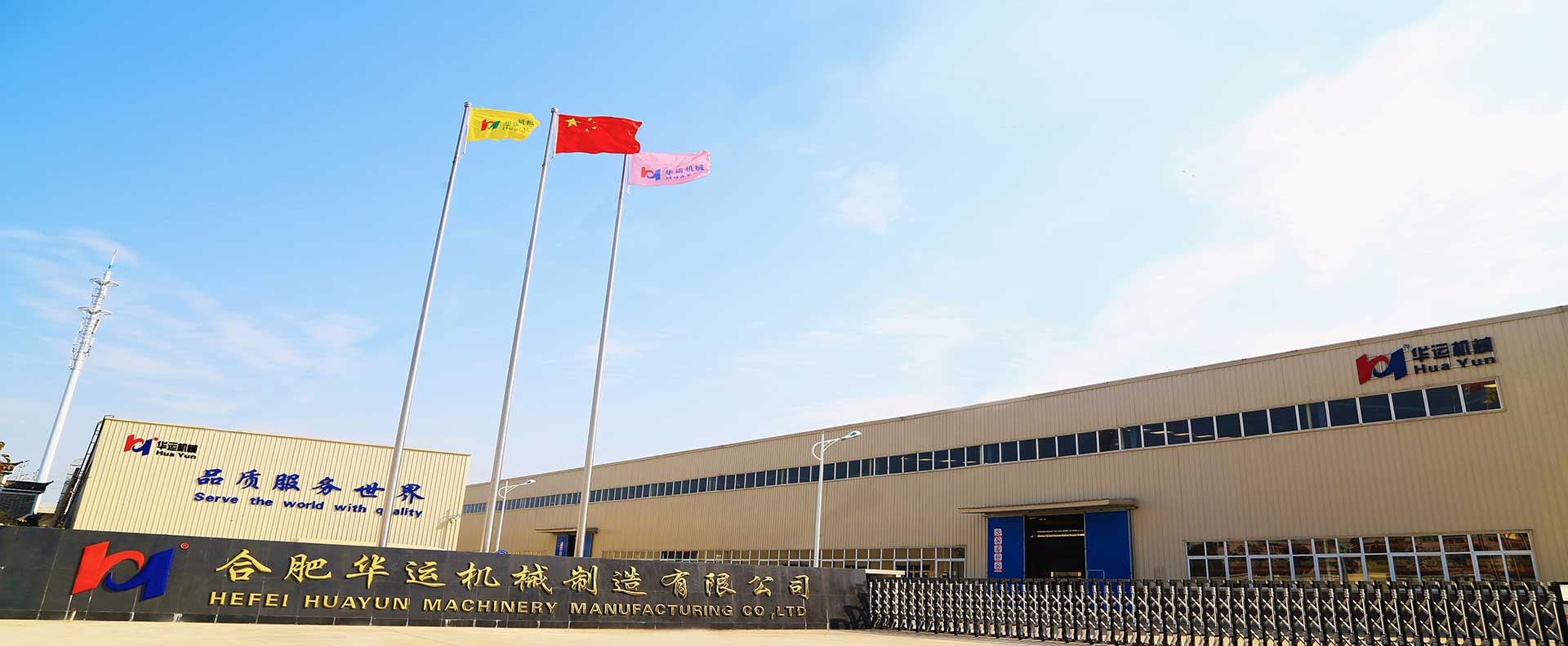
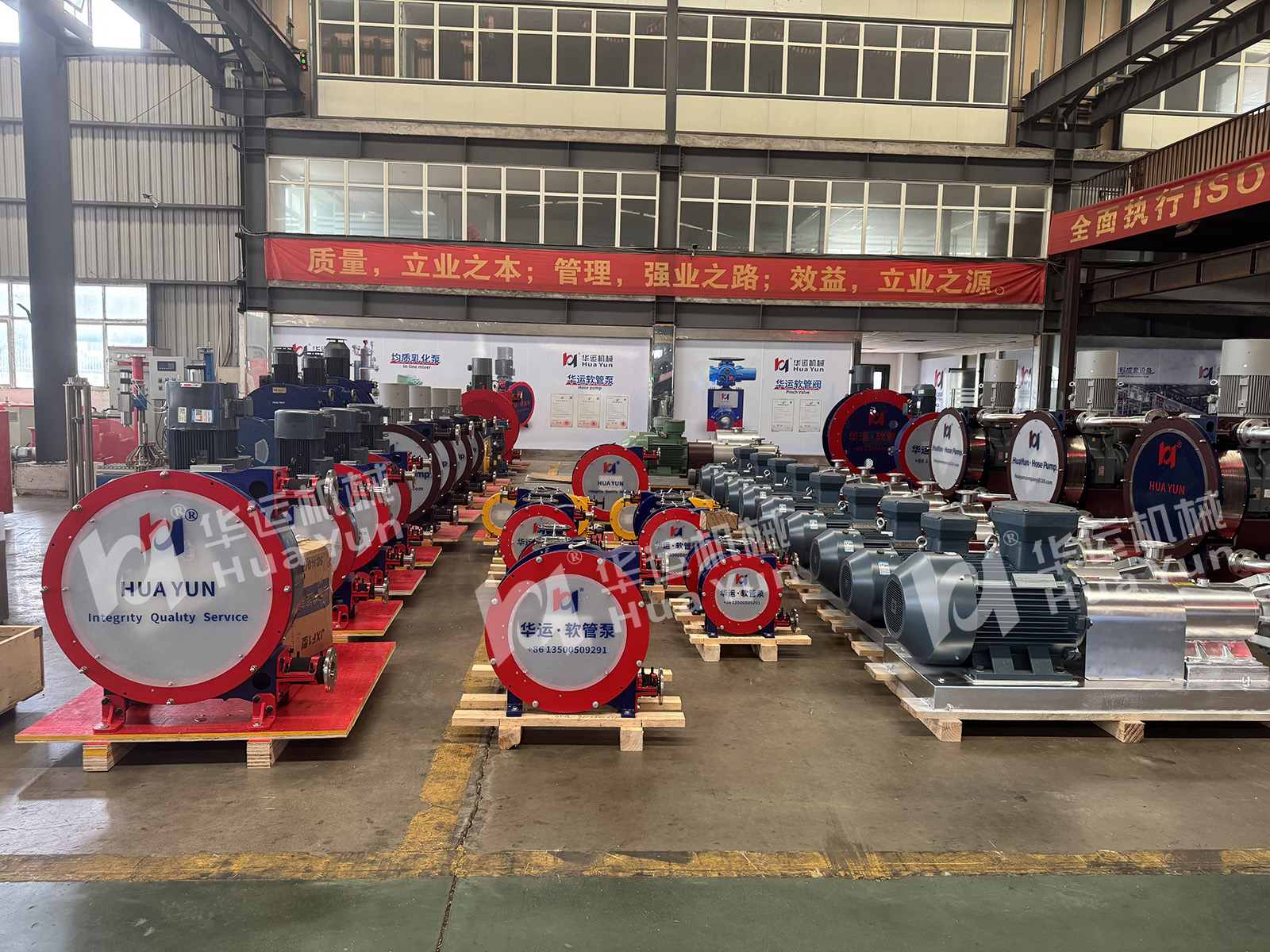
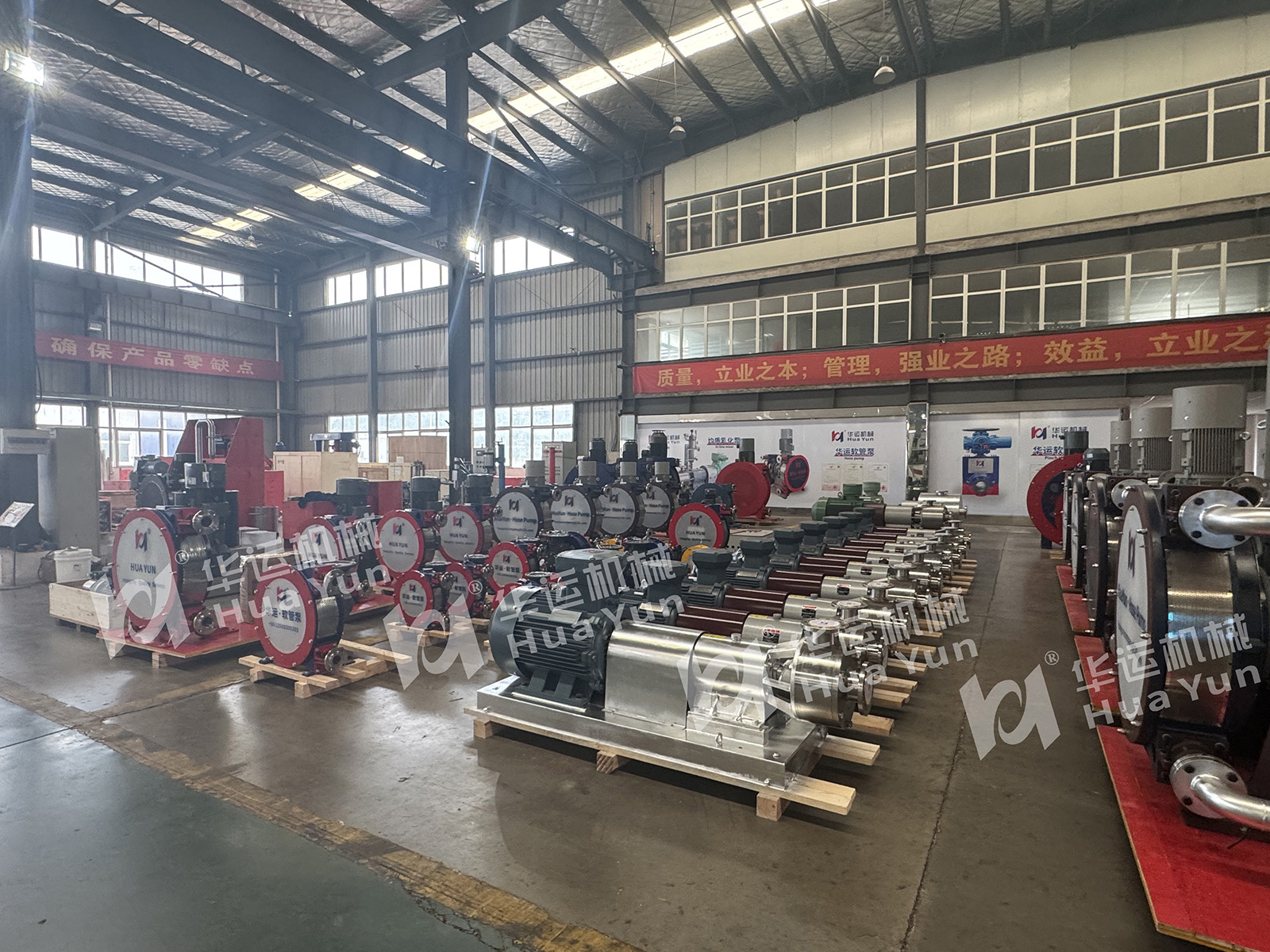
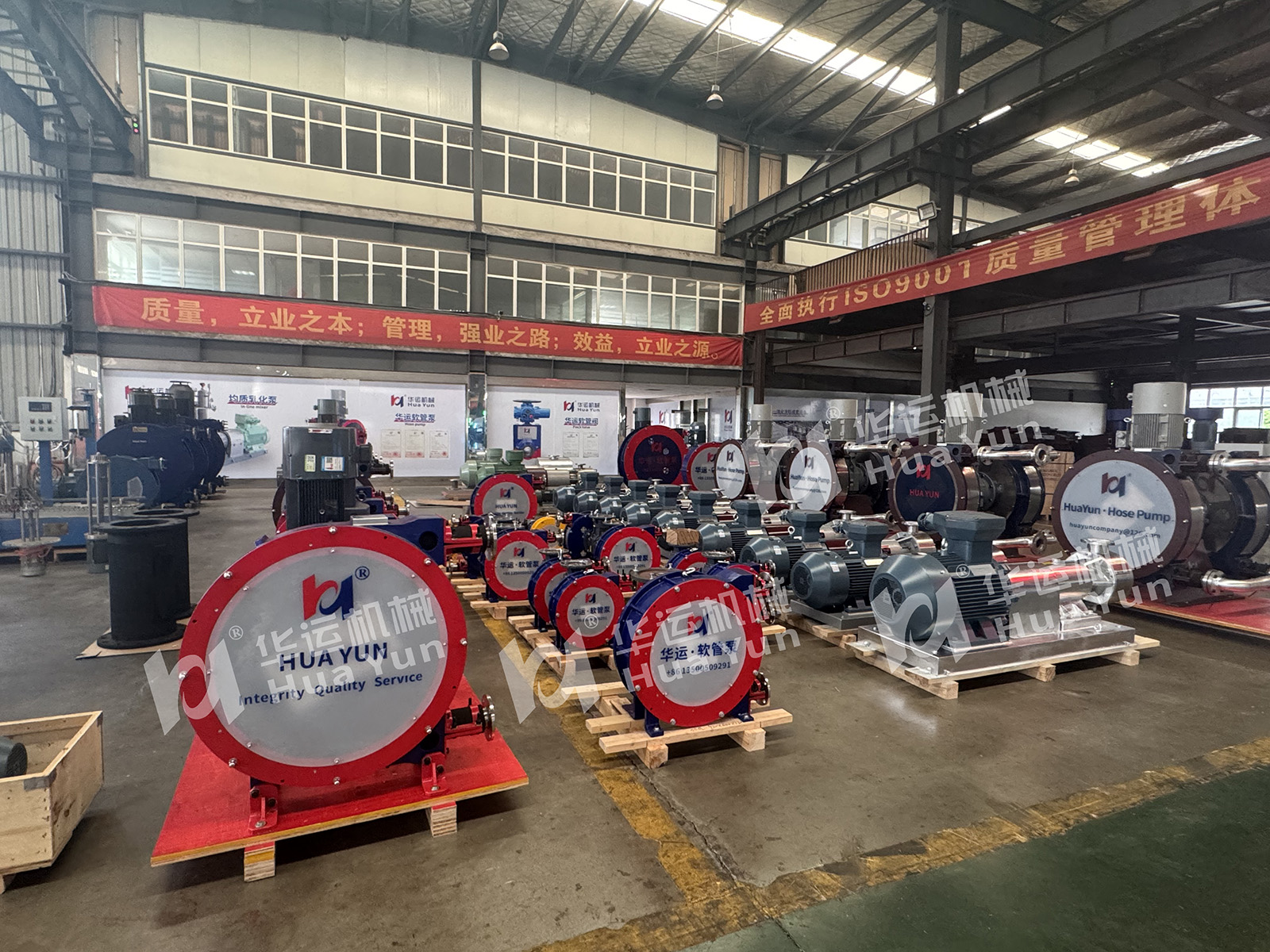
Hefei Huayun can customize hose pump models, hose materials, driving modes and control schemes according to medium properties, flow rate, pressure, temperature and on-site process requirements.
Factory address:No.25, Jinhai Road, Shuangfeng Economic&
Development district,Hefei, Anhui,CN
Marketing&Sales office:Floor 13th , Meidi Yangguang mansion,
Jinzhai road, Hefei City.
Copyright 2018 Hefei Huayun Machinery Manufacturing Co., Ltd
*Part of the webpage materials and related resources on this site are from the Internet.
If there is any infringement, please inform us immediately and we will delete it within 24 hours*

 English
 Chinese